Key Takeaways
Reviewed by TIGCasino Editors
What’s the fastest way to kill an online casino app before it even scales?
Not poor marketing. Not weak games. Licensing problems.
In 2026, regulators are tightening online gambling laws across major iGaming markets, making it nearly impossible for operators to survive without a proper online casino gambling license. From payment processor restrictions to GEO limitations and compliance penalties, one licensing mistake can delay or completely block a casino launch.
That’s why understanding how to secure a gambling license for online casino apps has become one of the most important steps in the entire casino app licensing process.
The global online gambling market is expected to cross $150 billion by 2030, with regulated mobile casino platforms driving massive growth worldwide.

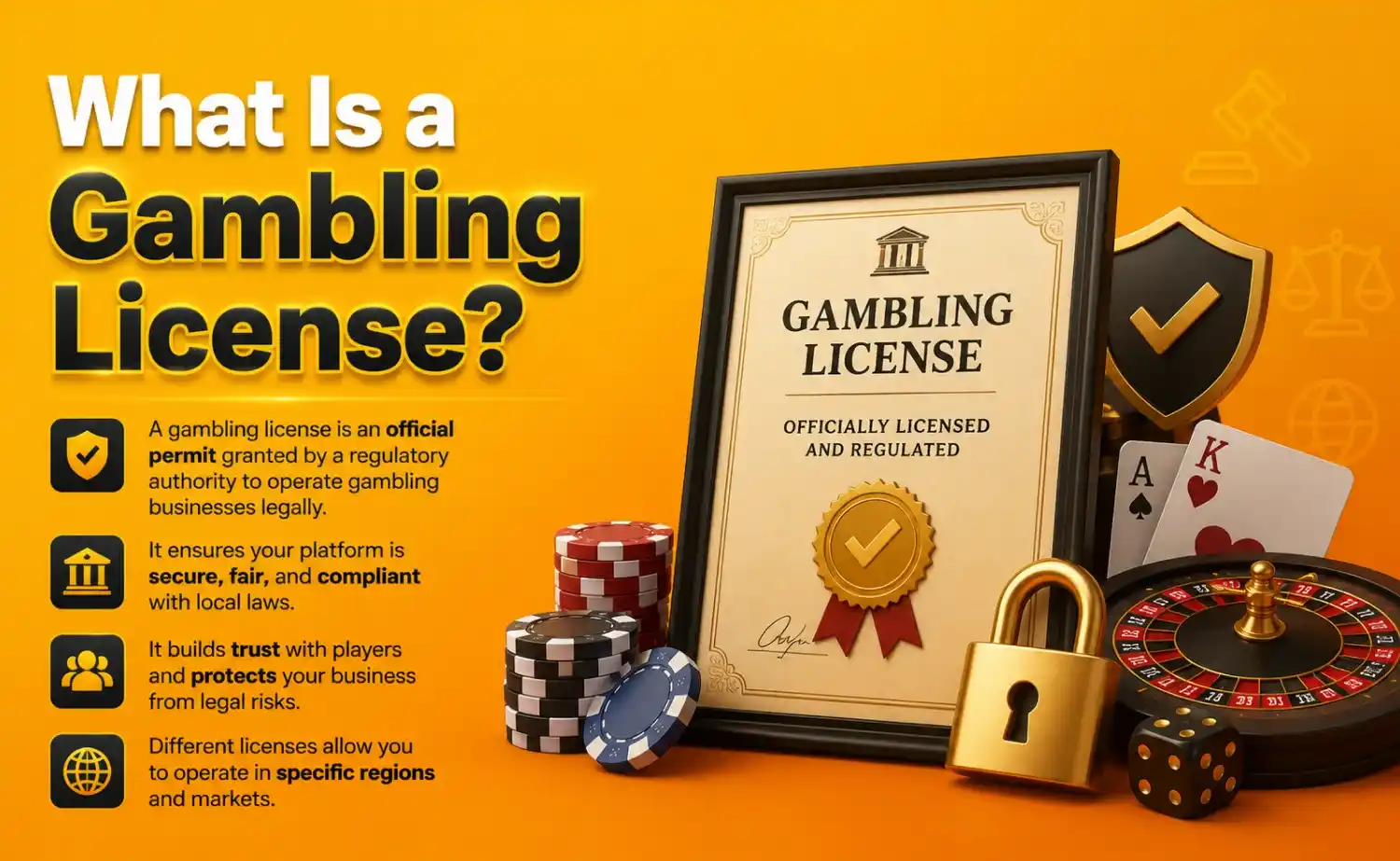
An online casino gambling license is a legal authorization issued by a gaming regulator that allows operators to run casino apps, sportsbooks, poker platforms, or other betting services within approved jurisdictions.
In simple terms, it’s the foundation that makes an iGaming business legally operational.
Without a valid gambling license for casino apps, operators can face:
More importantly, modern players rarely trust unlicensed platforms. A recognized casino operator license signals that the platform follows strict rules around:
This is why the iGaming license process has evolved far beyond basic registration paperwork. Regulators now assess everything from company ownership structures to cybersecurity systems and fraud prevention protocols before granting approval.
Did You Know?The Malta Gaming Authority (MGA) and UK Gambling Commission (UKGC) are still considered two of the most trusted gaming regulators globally due to their strict compliance and player protection frameworks. Today, operators can choose from multiple licensing jurisdictions depending on their goals, budget, target markets, and compliance capabilities. Some licenses prioritize affordability and fast approvals, while others focus on long-term credibility and access to highly regulated gambling markets. |
Securing an online casino gambling license involves multiple compliance, technical, and regulatory stages. While the exact process varies by jurisdiction, most regulators follow a similar approval framework for casino operators.
Operators first need to decide the type of gambling platform they plan to launch, whether it is an online casino, sportsbook, poker platform, or crypto casino. This helps determine the type of casino operator license and regulatory structure required.
The right jurisdiction depends on target markets, compliance goals, budget, and operational scale. Operators should compare approval timelines, banking support, and online gambling license requirements before applying.
Most regulators require operators to establish a legal business entity before starting the casino app licensing process. This usually includes company incorporation, shareholder disclosures, and financial verification.
Regulators require detailed documentation covering AML policies, KYC procedures, business plans, cybersecurity systems, and source of funds verification. Incomplete paperwork is one of the biggest causes of licensing delays.
Casino platforms must usually undergo technical testing to verify fairness, security, and compliance standards. This can include RNG certification, payment security checks, and platform penetration testing.
Once the documentation and audits are complete, operators can officially submit the application and licensing fees. Regulators then begin reviewing ownership structures, compliance readiness, and financial stability.
After due diligence checks are completed, regulators may approve the license, request additional information, or ask for compliance adjustments. Operators must continue meeting ongoing online casino compliance requirements even after approval.
Choosing the right gambling jurisdiction directly affects compliance costs, approval timelines, banking access, and long-term market credibility. Some regulators offer faster and more affordable licensing, while others provide stronger reputation and regulated market access.
Here are the most important gambling jurisdictions operators are considering in 2026
Curaçao remains one of the most popular licensing options for startups, crypto casinos, and international sportsbook operators due to its lower costs and relatively faster approval process. However, compliance requirements around AML and player protection have become stricter after recent reforms.
The MGA is one of the most respected gaming regulators globally. It offers strong credibility, better banking relationships, and easier access to European markets, making it popular among enterprise operators and large casino platforms.
The UKGC is known for strict compliance standards covering responsible gambling, advertising, and player fund protection. Although licensing is expensive and complex, it carries major industry credibility.
The Isle of Man is widely recognized for its crypto-friendly and technology-focused regulatory environment. It is often chosen by operators balancing innovation, blockchain gaming, and operational credibility.
Gibraltar is strongly associated with large sportsbook and enterprise gaming operators. The jurisdiction offers strong reputation and regulatory standards but has higher entry barriers for smaller businesses.
Anjouan has gained popularity among emerging operators because of its lower setup costs and faster licensing process. It is increasingly explored as an alternative option for international casino operations.
That said, reputation and banking support may still vary depending on the operator’s target markets.
| Jurisdiction | Approval Speed | Compliance Level | Cost Range | Best For |
| Curaçao | Fast | Moderate | Low to Medium | Startups & Crypto Casinos |
| MGA | Moderate | High | High | Enterprise Operators |
| UKGC | Slow | Very High | High | UK-Focused Brands |
| Isle of Man | Moderate | High | Medium to High | Crypto & Tech Operators |
| Gibraltar | Slow | Very High | High | Large Sportsbooks |
| Anjouan | Fast | Moderate | Low | Emerging Casino Brands |
One of the most time-consuming parts of the casino app licensing process is preparing the required documentation. Regulators conduct extensive background and compliance checks before approving any gambling license for casino apps, especially in regulated markets.
The exact requirements vary by jurisdiction, but most gaming authorities request a combination of corporate, financial, operational, and technical documents during the iGaming license process.
Operators are usually required to submit company incorporation certificates, shareholder details, and business registration records. Regulators use these documents to verify ownership structures and operational legitimacy.
Most jurisdictions require identity verification for directors, shareholders, and key stakeholders. This may include passports, proof of address, criminal background checks, and source of wealth declarations.
Regulators often ask operators to submit detailed business plans explaining the platform’s operational model, revenue structure, target markets, and financial projections. This helps assess long-term sustainability and risk exposure.
Strong AML and KYC frameworks are now a major part of online gambling license requirements. Operators must demonstrate how they plan to monitor transactions, verify players, prevent fraud, and manage suspicious activity reporting.
Casino operators may also need to provide technical details related to platform infrastructure, payment systems, cybersecurity protocols, and data protection measures. Some jurisdictions require independent testing certifications as part of the review process.
Modern regulators expect operators to implement responsible gambling measures such as deposit limits, self-exclusion systems, and player protection tools. These policies have become increasingly important in regulated iGaming markets.
Choosing the right jurisdiction is one of the most important decisions in the entire casino app licensing process. The license an operator selects will affect market access, banking support, compliance obligations, operational costs, and long-term scalability.
Many new operators focus only on approval speed or low setup costs. In reality, the best licensing strategy depends on the platform’s business model, target GEOs, expansion plans, and compliance capabilities.
A well-structured licensing approach can make future growth significantly smoother, while the wrong jurisdiction can create ongoing operational and regulatory limitations.
Every gambling license comes with geographical limitations and market-specific regulations. Operators planning to enter regulated markets must ensure the selected jurisdiction aligns with their target audience.
For example:
Understanding market restrictions early helps operators avoid licensing conflicts, payment issues, and future compliance complications.
The cost of gambling license for casino apps can vary significantly depending on the regulator and business structure. Some jurisdictions offer lower entry barriers, while others require larger financial commitments and stricter operational standards.
Operators should evaluate:
Focusing only on the cheapest option can often create larger operational costs later.
Licensing directly impacts how banks and payment service providers evaluate a casino platform. Certain jurisdictions are viewed more favorably by PSPs because of stronger compliance standards and regulatory oversight.
This becomes especially important for operators planning:
Strong banking relationships are often easier to establish with well-recognized licenses.
Modern online gambling license requirements extend far beyond company registration. Regulators now expect operators to maintain structured compliance systems covering AML, KYC, cybersecurity, fraud prevention, and responsible gambling.
Before starting the iGaming license process, operators should assess whether they have the internal resources to manage:
Compliance readiness can significantly impact approval timelines and operational stability after launch.
The right casino operator license should support future expansion rather than only solving short-term launch requirements. Many operators begin with flexible licensing jurisdictions before moving into stricter regulated markets as the business grows.
A scalable licensing strategy can simplify:
Did You Know?
Many leading affiliate networks and payment providers now prioritize fully regulated casino operators, making licensing a major factor in long-term revenue growth and partnership opportunities.
A few years ago, some operators could still survive in grey markets with minimal oversight. That landscape has changed dramatically. In 2026, regulators, payment providers, affiliates, and even players expect casino platforms to operate under a recognized online casino gambling license.
For operators, licensing is no longer just a legal requirement. It directly affects scalability, credibility, and long-term revenue potential.
A properly licensed casino app makes it easier to:
Player expectations have also evolved. Most users now check whether a platform holds a valid gambling license for casino apps before creating accounts or making deposits. A verified casino operator license signals that the platform follows fair gaming practices, protects player funds, and complies with modern AML and KYC standards.
The iGaming license process also creates stronger operational stability. Licensed operators often face fewer issues with advertising approvals, PSP onboarding, and market expansion compared to unregulated platforms.
More than 70% of global online gambling revenue now comes from regulated markets, highlighting how rapidly the industry is shifting toward licensed and compliance-focused operations.
Not all gambling licenses work the same way. The type of license an operator chooses depends on the business model, target market, platform structure, and long-term expansion plans.
For example, a sportsbook platform entering regulated European markets will need a very different licensing setup compared to a crypto casino targeting international players.
Understanding these license categories is a crucial part of the casino app licensing process because the wrong choice can limit market access, increase compliance costs, or create banking complications later.
This is the most common gambling license for casino apps. It allows operators to offer games like slots, blackjack, roulette, baccarat, and live dealer experiences through web and mobile platforms.
Most online casino licenses also require operators to implement:
A sportsbook or betting license is required for platforms offering sports wagering, esports betting, or live betting markets. These licenses often involve stricter monitoring requirements because of match-fixing and fraud risks.
Some jurisdictions separate poker, bingo, and lottery operations into different licensing categories. Operators planning multi-vertical gaming ecosystems usually need additional approvals depending on the jurisdiction.
A B2B license is designed for software providers, game aggregators, API companies, and casino platform suppliers rather than direct casino operators.
This type of casino operator license is especially important for:
White label licensing allows operators to launch under an existing master license instead of applying independently. It’s one of the fastest ways to enter the market, especially for startups with limited compliance resources.
However, operators using white label structures often have less operational control and depend heavily on the primary license holder.
As blockchain gaming expands, more jurisdictions now support crypto-friendly licensing frameworks. These licenses are designed for platforms supporting:
The cost of gambling license for casino apps can vary significantly depending on the jurisdiction, business model, and compliance requirements. While some operators focus only on application fees, the real licensing investment usually extends far beyond the initial approval stage.
In most cases, operators need to budget for legal setup, technical certification, compliance infrastructure, and ongoing regulatory maintenance alongside the actual licensing fee.
Most regulators charge a one-time application fee during the casino app licensing process. This fee typically covers initial background checks, documentation review, and regulatory assessment procedures.
Jurisdictions with stricter compliance frameworks generally have higher entry costs.
An online casino gambling license is not a one-time approval. Operators are usually required to pay annual renewal fees to maintain regulatory status and continue operating legally within licensed markets.
Renewal costs often depend on:
Most operators also need to budget for third-party testing and technical audits. These certifications help regulators verify RNG fairness, platform security, payment protection, and compliance integrity.
For larger casino ecosystems, certification costs can become a major operational expense.
Modern online casino compliance requirements involve ongoing AML monitoring, KYC verification systems, legal reporting, and responsible gambling enforcement.
Operators often need:
These recurring operational costs are frequently underestimated during the planning stage.
Beyond licensing fees, operators may also face additional costs involving banking setup, PSP onboarding, cybersecurity upgrades, and local company maintenance.
This is especially important for operators targeting multiple regulated gambling markets simultaneously.
| Jurisdiction | Estimated Setup Cost | Annual Renewal Cost | Compliance Complexity |
| Curaçao | Low to Medium | Moderate | Moderate |
| Malta (MGA) | High | High | Very High |
| UKGC | High | High | Very High |
| Isle of Man | Medium to High | Medium | High |
| Anjouan | Low | Low | Moderate |
Many banks and payment service providers still classify iGaming as a high-risk industry. Even licensed operators can face delayed approvals, rolling reserves, higher transaction fees, and strict compliance monitoring during PSP onboarding.
Not every gambling license allows operators to target all regions. Certain jurisdictions restrict access to regulated markets, forcing operators to carefully manage GEO blocking, regional compliance, and cross-border operations.
Compliance responsibilities continue long after licensing approval. Operators must constantly monitor player activity, verify transactions, and maintain updated AML and KYC frameworks to avoid regulatory violations.
Modern regulators expect casino platforms to actively monitor player behavior and reduce gambling-related risks. Failure to maintain responsible gambling systems can result in heavy fines and reputational damage.
Licensed operators are expected to maintain secure, scalable, and stable gaming environments. Platform downtime, payment vulnerabilities, or cybersecurity failures can quickly attract regulatory scrutiny.
Many regulated markets now enforce strict advertising policies for casino operators. Licensing alone does not guarantee advertising freedom, especially in jurisdictions with tighter responsible gambling regulations.
Operators using white label licensing models may launch faster, but they often sacrifice operational flexibility and platform control. Changes in the master license structure can directly affect business continuity.
Expanding into new regulated markets often requires additional approvals, compliance upgrades, and localized operational adjustments. Multi-jurisdiction growth can become operationally expensive without the right licensing strategy.
Securing an online casino gambling license in 2026 is no longer just a regulatory formality. It has become a critical part of building a scalable, trusted, and future-ready iGaming business.
From choosing the right jurisdiction and managing compliance requirements to handling banking relationships and responsible gambling obligations, the casino app licensing process now demands careful long-term planning. Operators that approach licensing strategically are far better positioned to expand into regulated markets, build player trust, and maintain operational stability as the industry continues evolving.
At the same time, many growing casino brands are realizing that managing licensing, compliance, technical infrastructure, and payment integrations internally can quickly become overwhelming. This is where experienced iGaming technology providers can offer significant operational value. Platform providers like TIGCasino are increasingly helping operators simplify complex launch processes through scalable casino infrastructure, compliance-ready systems, and integrated gaming ecosystems designed for modern regulated markets.

Raj Thomas


Request a Demo
Get a quick look at your potential earnings. Answer four simple questions and see your projected revenue for year one.
Keep in mind, this quick analysis is a preliminary guideline meant to kickstart your detailed market research. Best of luck!
Enter your email to receive your full cost breakdown, including projected net revenue, operating margin, and editable line items for your own planning.
Your inputs are used only to generate and deliver your report and are handled in line with TIGCasino's Privacy Policy.